


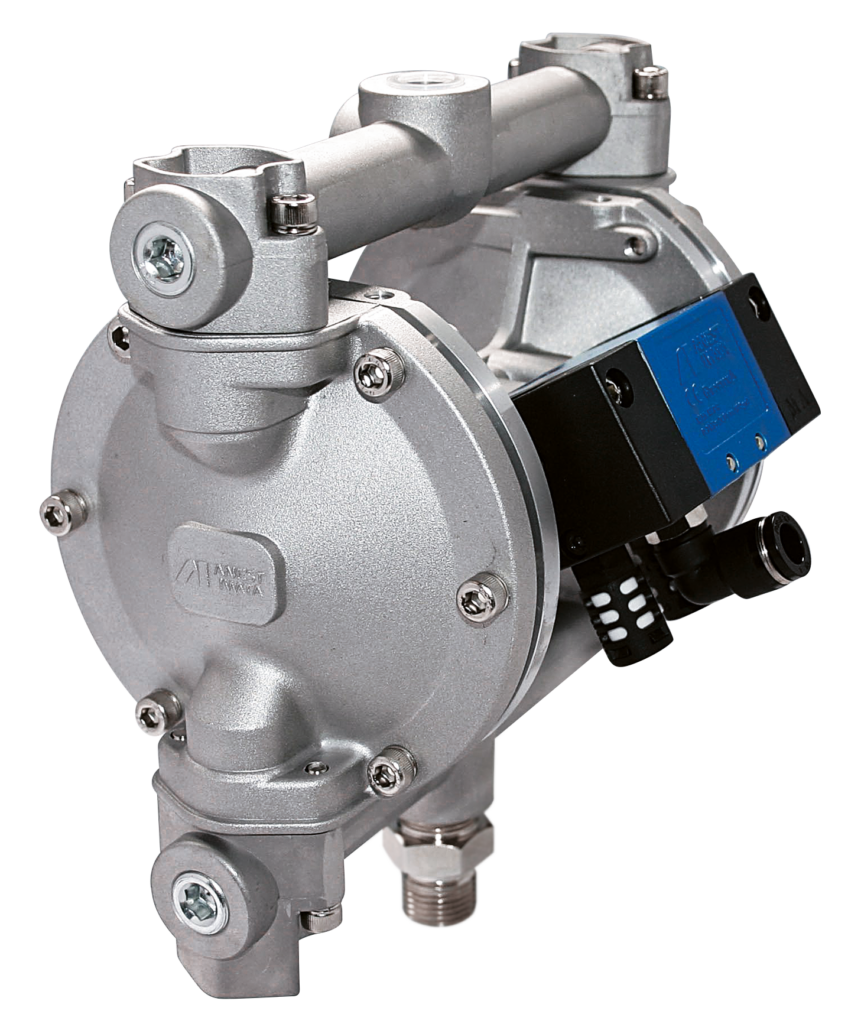
DDP-90F & DDP-120B

Q&A
What is the operating principle of ANEST IWATA Double Diaphragm Pumps?
ANEST IWATA Double Diaphragm Pumps operate on a pneumatic drive principle. Compressed air is alternately directed to the rear chambers of two flexible diaphragms connected by a common shaft.
The reciprocating motion of the diaphragms creates alternating suction and discharge strokes, allowing the fluid to be drawn in and expelled through non-return valves. This design provides a continuous and stable flow rate without the use of electrical or mechanical drive components in contact with the fluid.
What are the main advantages of the Double Diaphragm Pumps compared to other pump types (e.g., piston pumps)?
Dry-run capability: the pump can operate without fluid without causing mechanical damage.
Excellent chemical resistance: achieved through the use of PTFE diaphragms and chemically resistant wetted parts.
Handling of high-viscosity fluids: suitable for products containing pigments or small solid particles.
Simplified maintenance: few moving parts and easy access to internal components.
No fluid contamination: there are no dynamic seals or lubricated components in contact with the pumped medium.
Which systems can be supplied by ANEST IWATA Double Diaphragm Pumps?
ANEST IWATA Double Diaphragm Pumps are typically employed for:
• Feeding spray guns (manual or automatic).
• Paint circulation systems in closed-loop installations.
• Transfer operations between storage tanks or supply containers.
• Frequently incorporated into two-component mixing systems.
Which coating materials can be delivered using ANEST IWATA Diaphragm Pumps?
ANEST IWATA Double Diaphragm Pumps are engineered to handle a broad range of coating materials, benefiting from the chemical compatibility of their construction materials and their ability to manage various viscosity levels. The choice of pump body material determines the suitability for different applications:
Anodized aluminum: recommended for waterborne coatings, primers, and non-aggressive materials.
Stainless steel: suitable for solvent-borne coatings, corrosive products, and chemically reactive fluids where maximum resistance and durability are required.
What are the main differences between the 2 versions of the Anest Iwata DDP‑90F and DDP‑120B Double Diaphragm Pumps?
The different versions indicate different flow capacities.
• DDP 90F: Up to ~ 10 L/min output for medium version.
• DDP 120B: Up to ~ 30 L/min for large version.
The different versions indicate different performances.
• DDP-90 → Medium capacity, more versatile for medium paints viscosities.
• DDP-120 → High flow rate, ideal for industrial applications or high panits viscosities.
Guides & Tutorials
Check out our tutorials to learn in detail how to install or maintain your
spray gun. We’ll walk you through our step-by-step guides and videos.
QUICK START

Installation
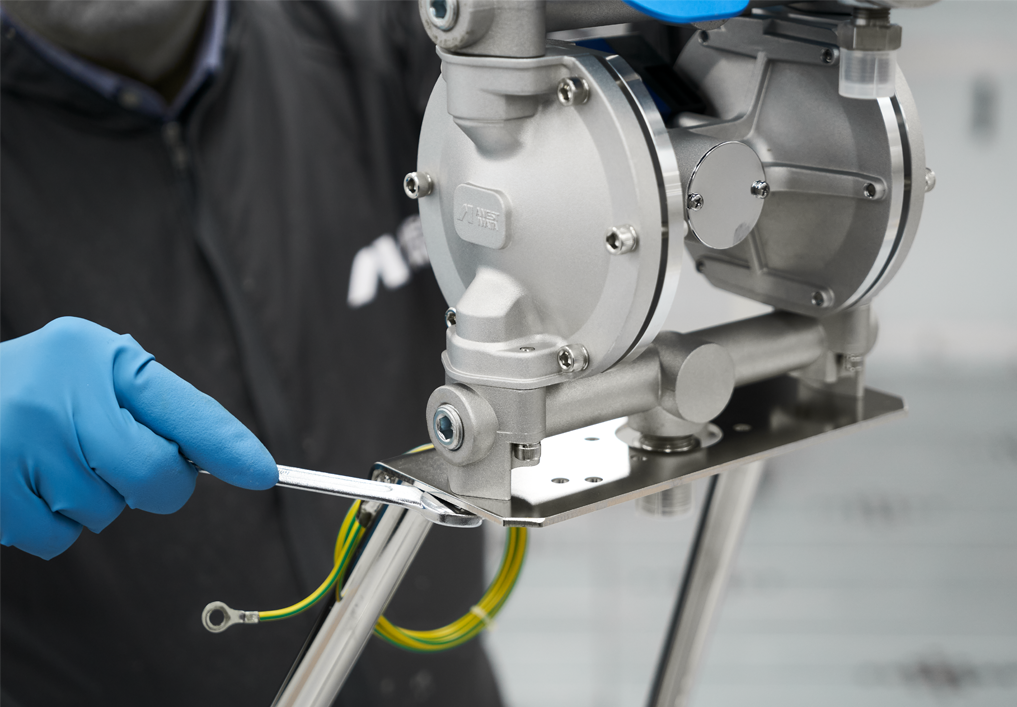
INSTALLATION ON STAND
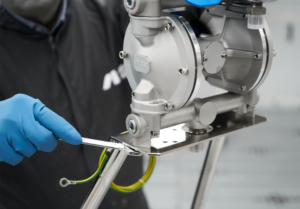
- Disassemble the pump body from the support by removing the Hex head screws (M8).
- Flip the stand upside down and reinstall the pump body in the correct position on its support, tightening the Hex head screws (M8) securely by using a proper open-end wrench.
- For the stand-mounted version, securely fasten the pump to the ground by screwing the fixing bolt into the designated hole on the stand.
- Always remove all dust caps present on the pump fittings, installed during the pump assembly phase. Keep them for possible future use, such as during storage, in order to preserve the integrity of the fitting threads.
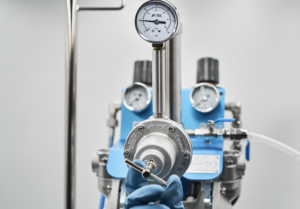
- Connect the suction hose to the pump’s paint supply joint. Once connected, securely tighten it using an open-end wrench
- Connect the drain hose to the 2-way valve for paint recirculation. Once connected, securely tighten it using an open-end wrench. Fasten the drain hose to the suction hose with clamps at the three designated points.
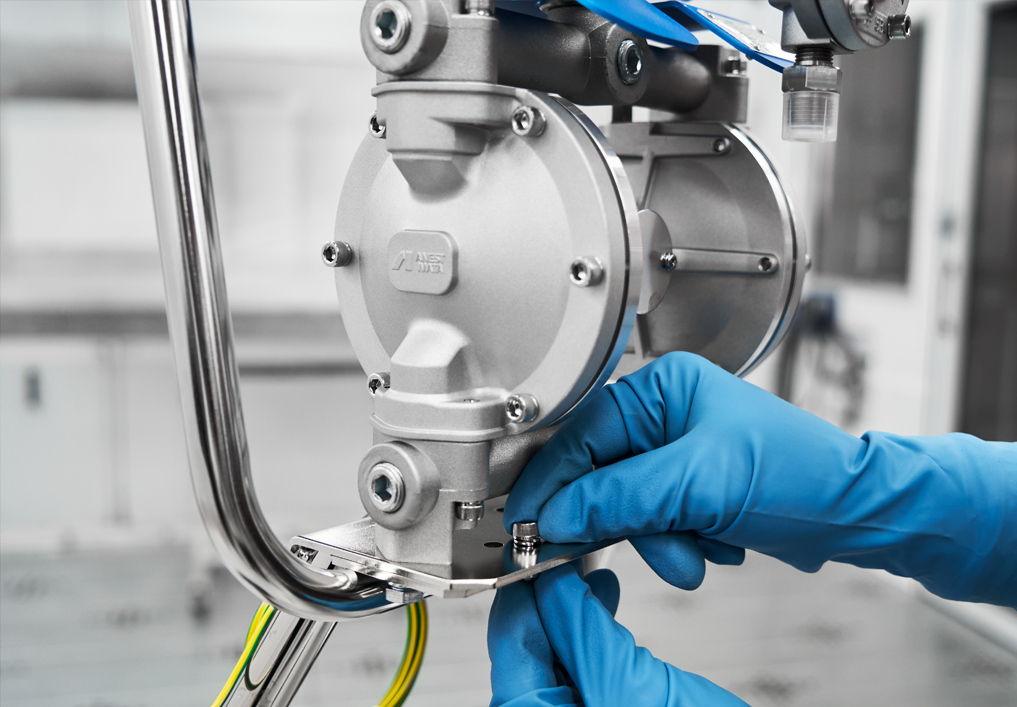
INSTALLATION ON CART
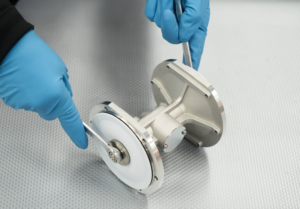
- Place one of the washers included in the set onto the wheel axle, then insert the axle through the central hole of the rigid wheel.
- On the other side of the axle, insert another washer.
- Place both washers against the wheel on the inner and outer sides, then secure them by inserting the pins into the corresponding holes on the axle. Repeat the same procedure for assembling the second wheel. WARNING: Insert the pins and press firmly until you hear a click, confirming that they are properly locked in place.
- Once the wheels have been assembled onto the axle, install the entire set onto the stand, by securing it with the two U-bolts. The U-bolts must pass through the holes in the stand bracket and be securely fastened by tightening the nuts at both ends.
- Unscrew the M8 hex head screw from the pump’s lower adaptor and use it to attach the handle to the support, ensuring the holes on both the support and the adaptor are properly aligned.
- To ensure a stable and balanced attachment of the handle to the pump support, insert the M6 hex socket head screw through the support and tighten it securely using an open-end wrench.
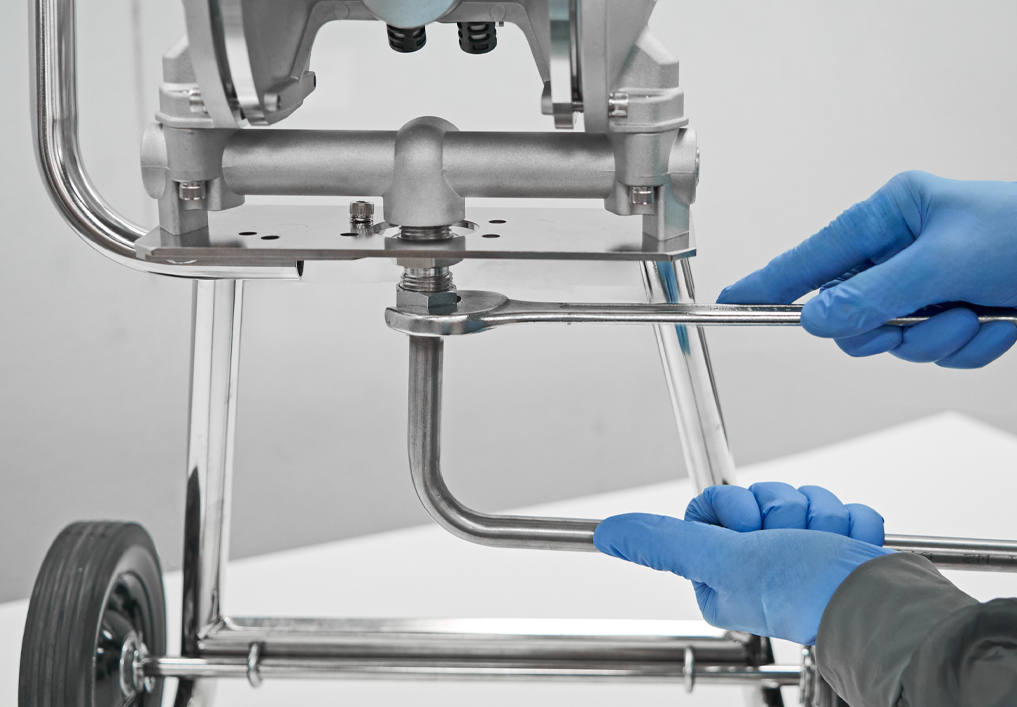
INSTALLATION ON CART with HOPPER SET
- Connect the hopper’s U-shaped hose to the pump’s paint inlet joint and securely tighten it using a proper open-end wrench.
- Connect the drain hose to the fitting of the two-way valve for paint recirculation located on the outlet paint filter, and firmly tighten it by using a proper open-end wrench.
- Securely screw the hopper set onto the fitting of the U-shaped hose.
- Fit the drain hose into the designated hole on the hopper lid, making sure the fitting is stable.
Troubleshooting
Spare parts
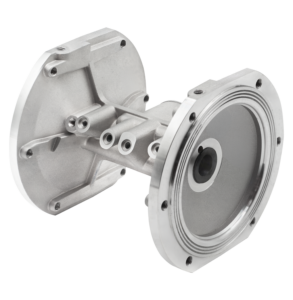
Main Body
99410622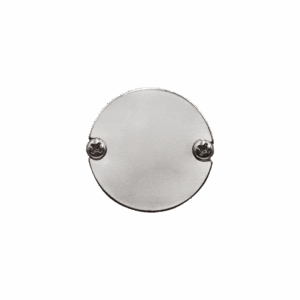
Blancking Cover
04456570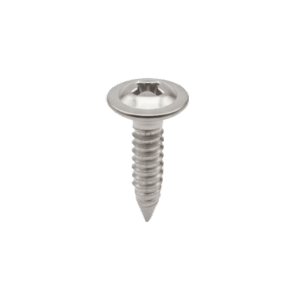
Tapping Screw
06234002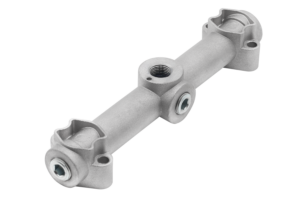
Upper Adaptor
3 Items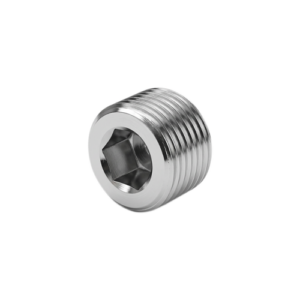
Hexagon socket plug
3 Items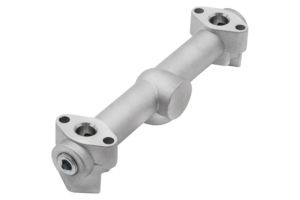
Lower Adaptor
3 Items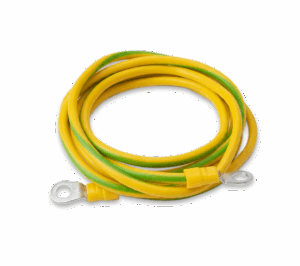
Ground Wire
04492830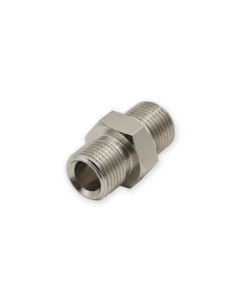
Fluid Inlet Joint
3 Items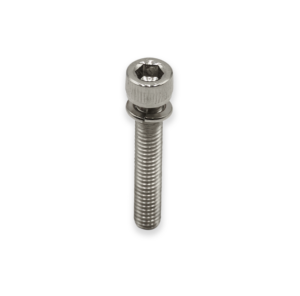
HEX. SOCKET BOLT WITH WASHER
96357502 Upper Adaptor - DDP-90 F
94452640 Upper Adaptor - DDP-90 FN
94414650 Upper Adaptor - DDP-90 F WB
94452650 Hexagon Socket Plug - DDP-90 F
06990413 Hexagon Socket Plug - DDP-90 FN
06367202 Hexagon Socket Plug - DDP-90 F WB
06367202 Lower Adaptor DDP-90 F
94441630 Lower Adaptor DDP-90 FN
94416592 Lower Adaptor DDP-90 F WB
94441640 Fluid Inlet Joint - DDP-90 F
04427640 Fluid Inlet Joint - DDP-90 FN
04428640 Fluid Inlet Joint - DDP-90 F WB
04428640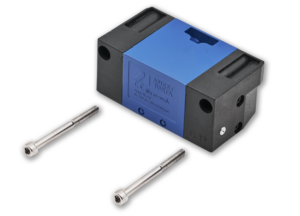
AIR OPERATING VALVE SET with FIXING SCREWS
94490632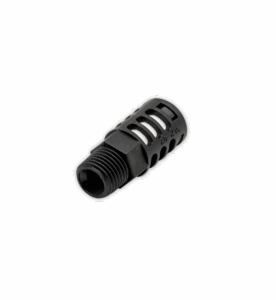
MUFFLER
04432590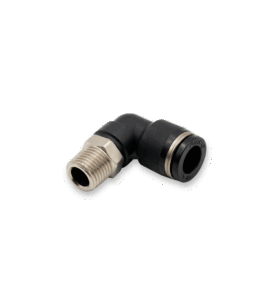
ELBOW UNION
06800202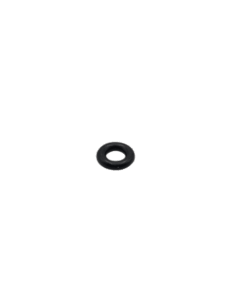
'O' RING
06630004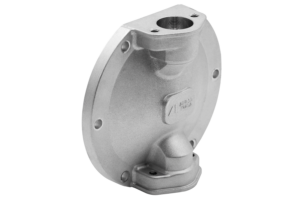
LID
3 Items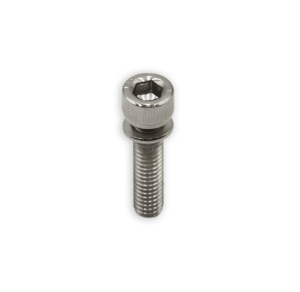
HEX. SOCKET BOLT WITH WASHER
96357500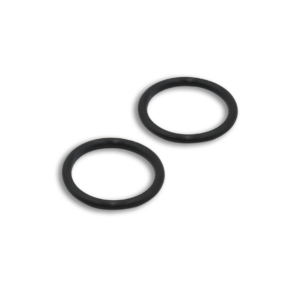
‘O’RING SET
04932630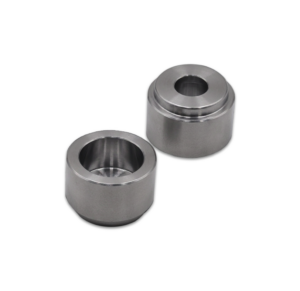
EXHAUST VALVE SET
04931630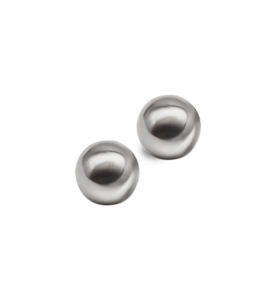
STEEL BALL SET
04930630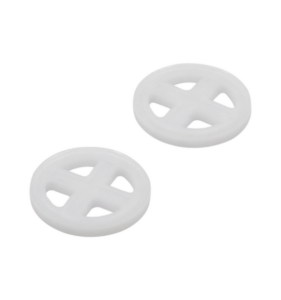
PACKING SET
04935620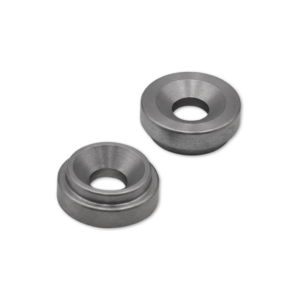
INTAKE VALVE SET
04933630 LID - DDP-90 F
94456582 LID - DDP-90 FN
94414592 LID - DDP-90 F WB
94456640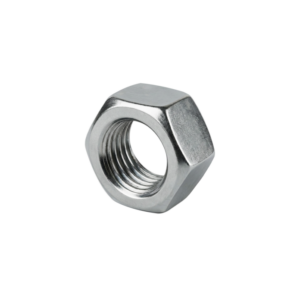
HEX. NUT
06361081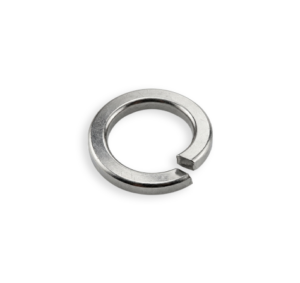
SPRING WASHER
06362080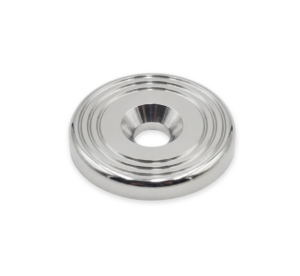
DIAPHRAGM HOLDER (OUTER)
04414600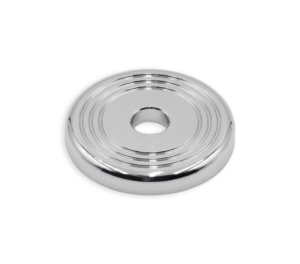
DIAPHRAGM HOLDER (INNER)
94453581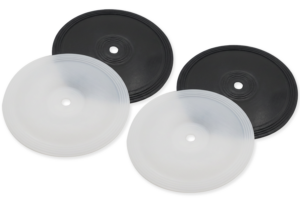
DIAPHRAGM SET
94931621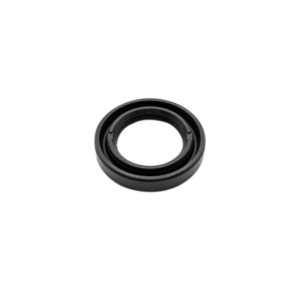
"Y’PACKING
06996610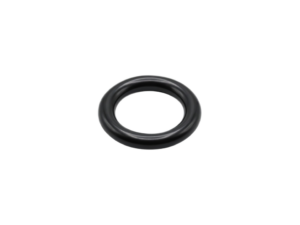
‘O’RING
06630011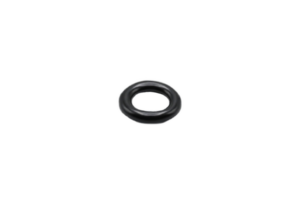
‘O’RING
06630008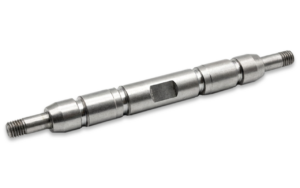
ROD
04431590 Main Body
94437632 Blancking Cover
04456570 Tapping Screw
06234002 Upper Adaptor
3 Items Hexagon socket plug
3 Items Lower Adaptor
3 Items Ground Wire
04492830 Fluid Inlet Joint
3 Items HEX. SOCKET BOLT WITH WASHER
96357502 Upper Adaptor - DDP-120 B
94452640 Upper Adaptor - DDP-120 BN
94414650 Upper Adaptor - DDP-120 B WB
94452650 Hexagon Socket Plug - DDP-120 B
06990413 Hexagon Socket Plug - DDP-120 BN
06367202 Hexagon Socket Plug - DDP-120 B WB
06367202 Lower Adaptor DDP-120 B
94441630 Lower Adaptor DDP-120 BN
94416592 Lower Adaptor DDP-120 B WB
94441640 Fluid Inlet Joint - DDP-120 B
04427640 Fluid Inlet Joint - DDP-120 BN
04428640 Fluid Inlet Joint - DDP-120 B WB
04428640 AIR OPERATING VALVE SET with FIXING SCREWS
94490632 MUFFLER
04432590 ELBOW UNION
06800202 'O' RING
06630006 LID
3 Items HEX. SOCKET BOLT WITH WASHER
96357500 ‘O’RING SET
94930300 EXHAUST VALVE SET
94935290 STEEL BALL SET
94934290 PACKING SET
94933290 INTAKE VALVE SET
94446630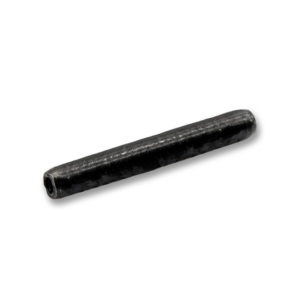
PIN
94444630 LID - DDP-120 B
94439631 LID - DDP-120 BN
94453660 LID - DDP-120 B WB
94439650 HEX. NUT
06361081 SPRING WASHER
06362080 DIAPHRAGM HOLDER (OUTER)
94448630 DIAPHRAGM HOLDER (INNER)
94449632 DIAPHRAGM SET
94932301 "Y’PACKING
06996610 ‘O’RING
06630011 ‘O’RING
06630008